Assignment 1


Similarly to advertisement, when famous models or celebrities are seen wearing an item of clothing, people are more likely to buy it, as they want to look like their idols. The photographer will have a lot of input in locations and choice of celebrity when it comes to these photo shoots.


This photo shows the final moment of this man's life, before being shot. We don't know why he is being killed or who he is, but the photo expresses a lot of emotion and is extremely thought provoking.


Again, this is an extremely sad and thought provoking photograph. As a photojournalist, it must be very hard to observe all of the pain and suffering, while also feeling helpless.


Don McCullin is an extremely interesting man, who has been documenting wars and horrible events for decades. There is a documentary which was really interesting, yet also really sad to watch. I recommend it. I have attached a link to the full documentary.
Being a photo journalist for a magazine can be difficult, a lot of newspapers and magazines are hiring students for simpler jobs at say £90 to get mediocre pictures rather than hiring a pro at £150+ as often the reader flicking through a magazine can't tell the difference between the pro and student, of course this is for certain newspapers and magazines. Most specialised magazines need good photography since the people purchasing the magazine will pay slightly more for the high quality content.


Here is a prime example of leading lines and symmetry in one photo, the lines in the center and sides of the building draw the eyes towards a vanishing point in the center of the image to emphasise the magnitude and size of the building.


It can be difficult to draw an income from architectural photography with a creatively fulfilling subject matter, doing simple property tour photography for property for sale has plenty of job opportunities but you won't be photographing greatly interesting architecture. The real art comes in taking a building or structure people have seen hundreds of times and photographing it in an interesting and engaging way.


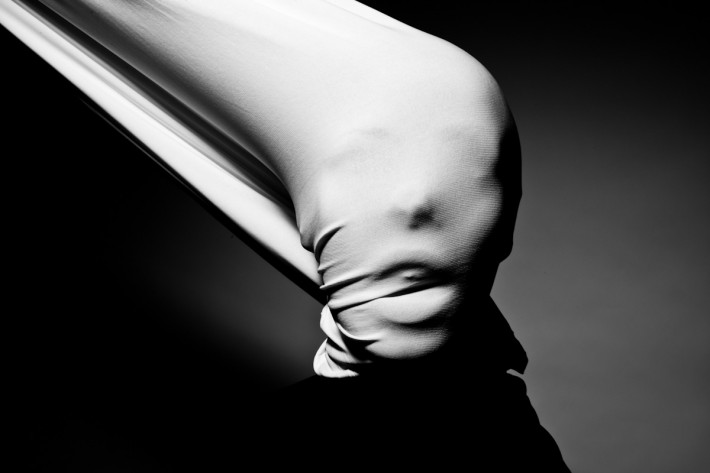


PORTRAITURE


FASHION


Photography Assignment 1
Advertising
Advertising photographers are usually given a product to photograph. The amount of creative input the photographer has depends on the company's vision and what they want for their product. Some may ask for a neat photograph of the product on a white background, while others could leave it up to the photographer to leave his own creative mark on the image.

These types of photographers usually work from a studio, where the lighting and backgrounds can be manually controlled.
Celebrity endorsement is extremely common when it comes to advertisements. By associating a well famous face, people will be more likely to buy the product. Whenever they see the product, they may associate it with the celebrity used in the adverts and will then have positive thoughts about the product.
Promotional
Promotional photography is similar to advertising, but includes a broader range of options. These photographers will promote companies or a specific product normally as part of a marketing campaign. A company can also completely change the public's perception of their brand or product.
The main difference between promotional and advertising is that advertising is usually about informing the public about a company or product, whereas promotional is convincing them to buy it. This can mean that promotional photographers usually have more freedom with their work and a lot of them also have a good understanding of marketing.
An example of promo photography being used would be promoting a band, unlike advertisement there will normally be a lot more getting to know the product before photographing it. When it comes to photographing a band the photos tell people what the bands image are and you can normally tell their type of music. The photographer will get a feel for the band and their music, as well as which locations might suit them best. After thinking about costumes, final locations, dates, times etc the shoot will go ahead. Then comes the photo editing which normally takes as long to do as taking the actual photographs. Lastly the band will be shown usually about 10 of the best photos and they will pick their favourites. This process will be very similar regardless of what you're photographing, only the subject and budget will change.
Fashion
The job of a fashion photographer is to not only get well lit, well produced photos of the subject and clothing but to also capture the underlying themes behind the outfit and what the creator means by it. While the vast majority of fashion photographers work in studios, there are exceptions of people taking their profession to the streets. Bill Cunningham is a brilliant example of someone who has passion for their work. He has been shooting for decades and hasn't earned a penny as he wanted to have full creative input and didn't want anyone to 'own' his photos. He would walk the streets of New York daily and take photos of interesting looking people in interesting clothes and he began to see different fashion trends within his photos, which he would then collate and give to newspapers to publish. These collages would then start trends of their own.
There is a lot of commercial work if you choose to be a fashion photographer since there is always need for them, however to work at much larger magazines and websites you will likely have to move to where they are, London is very large for this. When it comes to creativity there is a lot of room for it, while the environment might be fixed in a studio, you can move the model around a lot. If you've been given a lot more creative freedom and budget you can go abroad or to a location that matches the outfits themes.

Similarly to advertisement, when famous models or celebrities are seen wearing an item of clothing, people are more likely to buy it, as they want to look like their idols. The photographer will have a lot of input in locations and choice of celebrity when it comes to these photo shoots.
Vogue is an example of a very popular fashion magazine, they include articles of whats currently popular, sales at stores and tips from fashion designers. On the front of most of the covers is someone of note, this makes people more likely to buy the magazine if it has a personality they enjoy in it.
Photojournalism
Photojournalism is taking photos of subjects and areas that can tell a story without words. They are mainly used in newspapers to add some context to the stories being told. Most photojournalists work on a freelance basis in order to capture a specific event or person. For example, if there was a riot in Manchester for some reason, various news corporations could hire one or two photographers to cover the event. Photographers can also sell their work to websites or newspapers if they have images that the paper wants.
There is room for creative input when it comes to this form of photography but often newspapers and magazines aren't interested in how well something was shot necessarily as long as it covers the subject since they are normally on a very tight deadline. As far as commercial viability, it is a very competitive industry and a somewhat over saturated market since you don't necessarily need to have amazing photography skills you just need to be at the location and capture the moment. While having these skills will probably get you more work as they are of a higher standard newspapers and magazines want to pay as little as possible.
This photo shows a monk setting himself on fire in the middle of a crowded street.
This photo shows a monk setting himself on fire in the middle of a crowded street.
This photo shows the final moment of this man's life, before being shot. We don't know why he is being killed or who he is, but the photo expresses a lot of emotion and is extremely thought provoking.
Again, this is an extremely sad and thought provoking photograph. As a photojournalist, it must be very hard to observe all of the pain and suffering, while also feeling helpless.
Don McCullin is an extremely interesting man, who has been documenting wars and horrible events for decades. There is a documentary which was really interesting, yet also really sad to watch. I recommend it. I have attached a link to the full documentary.
Being a photo journalist for a magazine can be difficult, a lot of newspapers and magazines are hiring students for simpler jobs at say £90 to get mediocre pictures rather than hiring a pro at £150+ as often the reader flicking through a magazine can't tell the difference between the pro and student, of course this is for certain newspapers and magazines. Most specialised magazines need good photography since the people purchasing the magazine will pay slightly more for the high quality content.
As well as event photography a subcategory of this would be sports, at most important sports events they will have a photographer there to take photos of the crowd and key moments in the game. Most newspapers have a sports section so if there is a particular upset you need to have your photographer at the game ready to get the double page spread image.
Portraiture
Portrait photography is photographing a subject, which is usually a person. A lot of portrait photography is done under controlled lighting in a studio environment. However, portraits can be taken anywhere and everywhere.
Lighting is important in all forms of photography but in studio portraiture it is especially important, the good thing is that you have plenty of time to get it right in a studio environment since you can get the lighting set up before the subject comes in then adjust it slightly when they arrive.
For standard portrait photos such as families, a plain white background will be used, this is so the background doesn't distract the eye from the main subject.

This portrait photo is clearly not done in a studio but it's still very powerful, the emotion is clearly conveyed, the focus is dead centre on the face due to the shallow depth of field, black and white suits it nicely too as you get contrasted areas in the face.

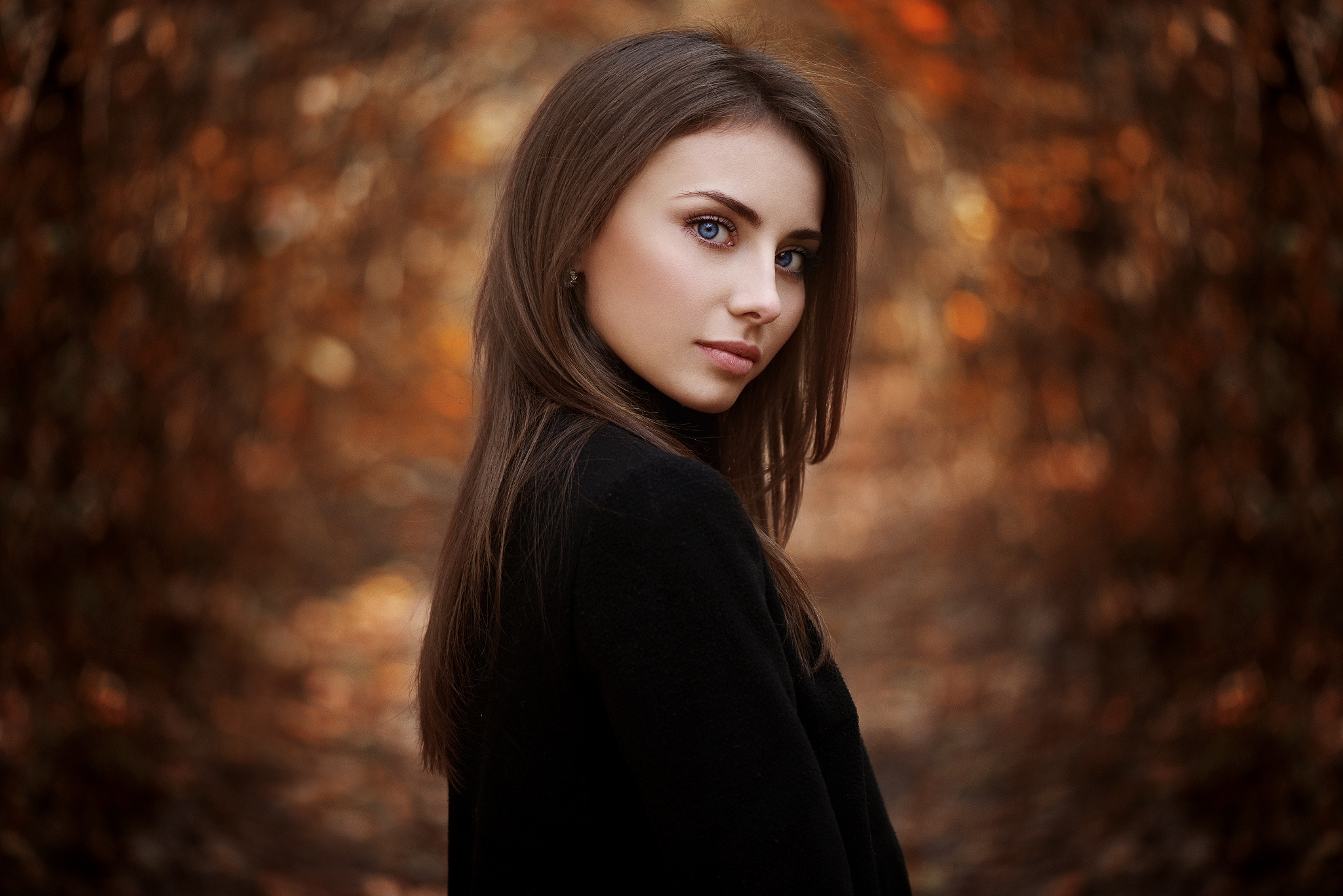
Lee Jeffries is definitely my biggest inspiration when it comes to portraits. I really love his work and the emotion he captures within some of his powerful photos.
This portrait photo is clearly not done in a studio but it's still very powerful, the emotion is clearly conveyed, the focus is dead centre on the face due to the shallow depth of field, black and white suits it nicely too as you get contrasted areas in the face.
Lee Jeffries is definitely my biggest inspiration when it comes to portraits. I really love his work and the emotion he captures within some of his powerful photos.

High Street Studio Work
High street studio photography is almost always shot in a professional studio, owned by the company and customers will come in one after the other and usually get an hour or so to be photographed. Throughout the day the company will try to pack in as many customers as possible to gain the highest profit. The photographer will normally be paid a set fee and will make around £200-300 a day. The job requires basic photography skills, which, once practiced should come easy.
There isn't much room for creative input as it's usually one customer after the other and there is no time to learn about the person. A lot of high street studios will either have one or two permanent members of staff or a long list of freelance photographers who will come and do a day or two at a time, then interchange.
Here is a prime example of the kind of family photography that will be done in a lot of studios, black and white looks good on the wall and classy too. They will easily do 10 of these a day if the studio keeps busy.
Lighting is also very important in this genre much like portrait, a 3 point lighting set up is also used but can differ depending on the subject.
Once the photos have been taken the subject will be able to look at them all, choose the ones they like and they will either be sent them by post, have them printed off there or have them compiled into an album for them to take home.
Architectural
Architectural photography is photographing buildings and structured in a way that is unique and pleasing to look at. There is a lot of room for creativity in this genre as there are thousands of angles you could photograph an interesting building at. Composition is key in architecture and symmetry and leading lines are also used quite frequently to create interesting images to look at.
Here is a prime example of leading lines and symmetry in one photo, the lines in the center and sides of the building draw the eyes towards a vanishing point in the center of the image to emphasise the magnitude and size of the building.
It can be difficult to draw an income from architectural photography with a creatively fulfilling subject matter, doing simple property tour photography for property for sale has plenty of job opportunities but you won't be photographing greatly interesting architecture. The real art comes in taking a building or structure people have seen hundreds of times and photographing it in an interesting and engaging way.
Illustration
Illustration photography is where the photographer blends reality and surrealism to make a final image. This is normally done by a mix of genuine photography and drawings or Photoshop. This has a lot of creativity behind it since what you make is all based on your idea and essentially straight from your head. A lot of this work is done freelance and if companies like your style of work, they could hire you to use your style but on an advert for their product, they will also sell a lot of individual pieces for people to put up on their walls or galleries.

Fine Art
Going out to create fine art photography will always start with a vision as to what they want the work to look like when it's finished, or at least what themes they want to explore with the piece. Some fine art pieces will come with a statement which is basically just a short paragraph as to what the work is about, so if it is hung up in a gallery it can add some context. However, most photographers prefer to leave it up to interpretation. As I mentioned in the previous segment this is one of the most artistically rewarding genres of photography as whatever you create is a piece of yourself since it all came from you.
Commercially this is very similar to illustration, if companies like your work they might employ you on a freelance basis to promote their product but a lot of work will be done selling your art in galleries and to anyone who wants a copy.
Documentary
Documentary photography is used to document events in a true and factual way, for example a lot of war photography is documentary. Usually Documentary photography follows one subject or event over time. Often it is used to bring attention to a particular case of injustice in order to gain public attention and share on social media. A photograph can be very powerful to the public in order to spark a reaction and cause social change.

You could argue that you don't need to be creative with the photography you're taking as a documentary photographer it just needs to be truthful. There is defiantly commercial viability when it comes to documentary. War photography is a crucial job informing the rest of the world of whats going in places the general public can't get to. There is a danger with documentary photography that if you frame things in a certain way could be misconstrued as propaganda. It is also hard to get decent jobs as documentary photographers nowadays, because nearly everyone with a mobile phone can take photos and videos and instantly upload them to the internet from anywhere in the world.
My Photography
Here are a selection of my own photos, which demonstrate some of the different styles that I have talked about above. I have enlarged my favorites in each category.

PROMOTIONAL


PORTRAITURE


FASHION


LANDSCAPE


ARCHITECTURAL


FINE ART


Final Piece
My final piece has to be this shot, taken in the summer of 2015 at the abandoned Tall Trees Hotel. I would say this photo fits into 'fine art' and it is definitely the shot I am most proud of. The vibrant blue gives an extra terrestrial/ space ship kind of feel and I love it. The exposed white background and leading lines from the paneled ceiling draws the eye to the eerie figure standing between the doorway.

My final piece has to be this shot, taken in the summer of 2015 at the abandoned Tall Trees Hotel. I would say this photo fits into 'fine art' and it is definitely the shot I am most proud of. The vibrant blue gives an extra terrestrial/ space ship kind of feel and I love it. The exposed white background and leading lines from the paneled ceiling draws the eye to the eerie figure standing between the doorway.

